
Waking up to find a bright green, pink, or orange puddle under your car is never a great start to the day. It might look harmless at first, but in Brisbane conditions a coolant leak is one of those problems that can go from minor to catastrophic very quickly.
Between long summers, stop start traffic, and high under bonnet temperatures, coolant leaks are far more common here than many drivers realise. Left unchecked, even a small leak can lead to overheating, warped engine components, or complete engine failure.
This guide explains what engine coolant does, why leaks are so common in Brisbane, how to spot the warning signs early, what repairs typically cost, and what you should do next.
What is engine coolant and why it matters
Engine coolant is a mixture of antifreeze and water that circulates through your engine, radiator, heater core, and cooling system passages. Its job is to regulate engine temperature, preventing overheating in hot conditions and protecting against corrosion and internal damage year round.
In Brisbane, coolant plays an even bigger role. High ambient temperatures, traffic congestion, and frequent short trips mean engines heat up quickly and stay hot for longer. If coolant levels drop due to a leak, the system cannot control temperature properly. This can cause rapid overheating and very expensive damage in a short space of time.
Common signs of a coolant leak
Coolant leaks are not always obvious, especially early on. Keep an eye out for these warning signs.
- A coloured puddle under the car, often lime green, pink, orange, or blue green depending on the coolant used.
- A sweet smell around the engine bay or near the front of the car after driving. This is the scent of antifreeze.
- The engine temperature gauge climbing higher than normal or fluctuating in traffic.
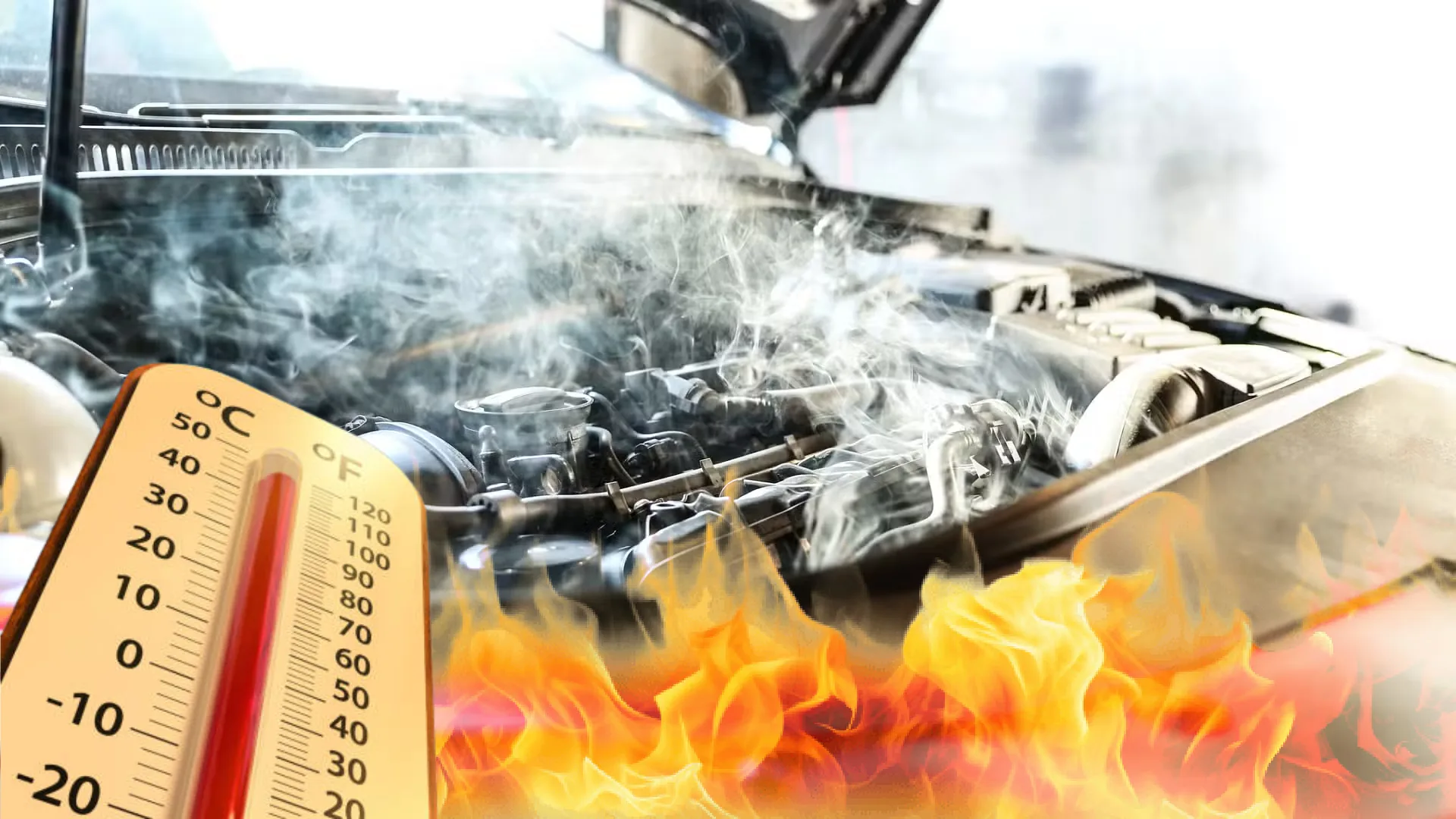
- Steam or smoke coming from under the bonnet.
- A low coolant warning light or message on the dash.
- The heater blowing cold air even when set to hot, which can indicate low coolant flow.
In many cases the leak only appears when the system is hot and under pressure, which is why it often shows up after driving rather than overnight.
Why coolant leaks are so common in Brisbane
Coolant leaks happen everywhere, but Brisbane’s climate makes them more likely and more serious.
- Heat accelerates the breakdown of rubber hoses, plastic fittings, seals, and expansion tanks.
- Stop start traffic causes repeated heat cycling, where components constantly expand and contract.
- Modern engines run hotter and at higher pressures than older vehicles, increasing stress on cooling system parts.
- Many European vehicles use plastic cooling components that degrade faster in high heat environments.
- Long summers mean small leaks have more opportunity to turn into overheating events.
This combination is why cooling system issues are one of the most common causes of breakdowns in South East Queensland.
Most common causes of coolant leaks
Coolant can escape from several areas in the system. The most common causes include:
- Radiator hoses that have cracked, softened, or split with age.
- Loose or failed hose clamps allowing coolant to seep out under pressure.
- Cracked radiators, often caused by age, vibration, or minor impacts.
- Expansion or overflow tanks that split due to heat fatigue.
- Water pump failures, often leaking through a small weep hole before fully failing.
- Thermostat housings that warp or crack, especially on some European models.
- Heater core leaks, which may cause fogged windows or a sweet smell inside the cabin.
Identifying the exact source is critical, as replacing the wrong part will not fix the problem.
Is it safe to drive with a coolant leak?
In short, no. Even a small coolant leak can become dangerous very quickly.
As coolant level drops, the engine loses its ability to regulate temperature. Overheating can lead to warped cylinder heads, blown head gaskets, and internal engine damage. In severe cases, the engine can seize completely.
If your temperature gauge rises above normal or you receive a coolant warning, it is best to stop driving and have the vehicle checked rather than risking major damage.
How coolant leaks are diagnosed properly
Not all coolant leaks are visible at a glance. A proper diagnosis often involves several steps.
- Cooling system pressure testing to replicate operating conditions and force leaks to reveal themselves.
- Visual inspection of hoses, joints, and plastic components for residue or staining.
- UV dye testing to track slow or hidden leaks.
- Scan tool data to monitor engine temperature and cooling system performance.
- Inspection of underbody components where leaks may drip while driving.
This process helps ensure the real cause is fixed, not just the most obvious symptom.
Coolant leak repair costs in Brisbane
Repair costs vary widely depending on the source of the leak and how early it is caught.
- Simple hose or clamp repairs are usually on the lower end.
- Radiator or expansion tank replacements sit in the mid range.
- Water pump or thermostat repairs are more involved and cost more due to labour.
- Repairs following overheating or engine damage can be extremely expensive.
Early diagnosis is almost always cheaper than waiting until the problem escalates.
What to do if you suspect a coolant leak
If you think your car has a coolant leak, there are a few important steps to follow.
- Avoid topping up the coolant and continuing to drive without addressing the cause.
- Do not drive the car if the temperature gauge rises above normal.
- Have the cooling system inspected before Brisbane heat makes the issue worse.
Prompt action can prevent a minor leak from turning into a major repair.
Can you fix a coolant leak yourself?
In rare cases, a loose hose clamp may simply need tightening. However, most coolant leaks are not DIY friendly.
Modern cooling systems are pressurised and complex, and incorrect repairs can introduce air pockets or create new leaks. Temporary sealants often cause more harm than good and can block radiators or heater cores.
Unless you have experience with cooling systems, professional inspection and repair is the safest option.
Preventing coolant leaks with regular maintenance
Many coolant leaks are preventable with proper maintenance.
Coolant should be replaced at manufacturer recommended intervals. Old coolant can become acidic over time and slowly eat away at aluminium components and seals.
Cooling system inspections during routine servicing help identify early signs of hose deterioration or plastic fatigue before failure occurs.
Regular maintenance is far cheaper than dealing with an overheating engine on a Brisbane summer afternoon.
What to do if your engine overheats
If a coolant leak leads to overheating, act quickly.
- Turn the heater to full hot to draw heat away from the engine.
- Safely pull over and shut the engine off.
- Allow the engine to cool for at least 15 minutes before checking anything.
- Do not open the radiator cap while hot, as pressurised coolant can cause serious burns.
- Once cooled, have the vehicle assessed before driving further.
Other causes of overheating to be aware of
Coolant leaks are common, but they are not the only cause of overheating. Other issues include low oil levels, thermostat failure, broken water pumps, worn belts, blocked heater cores, or radiator airflow problems.
Any overheating event should be taken seriously and inspected promptly.
Final thoughts for Brisbane drivers
In Brisbane conditions, a coolant leak is never something to ignore. Heat, traffic, and long summers mean cooling system issues escalate faster here than in cooler climates.
If you notice warning signs or suspect a coolant leak, early diagnosis can save you thousands and prevent serious engine damage. For professional cooling system inspections and repairs, Bosch Service Brisbane can assess the issue properly and help keep your car running safely through Brisbane’s toughest conditions.