
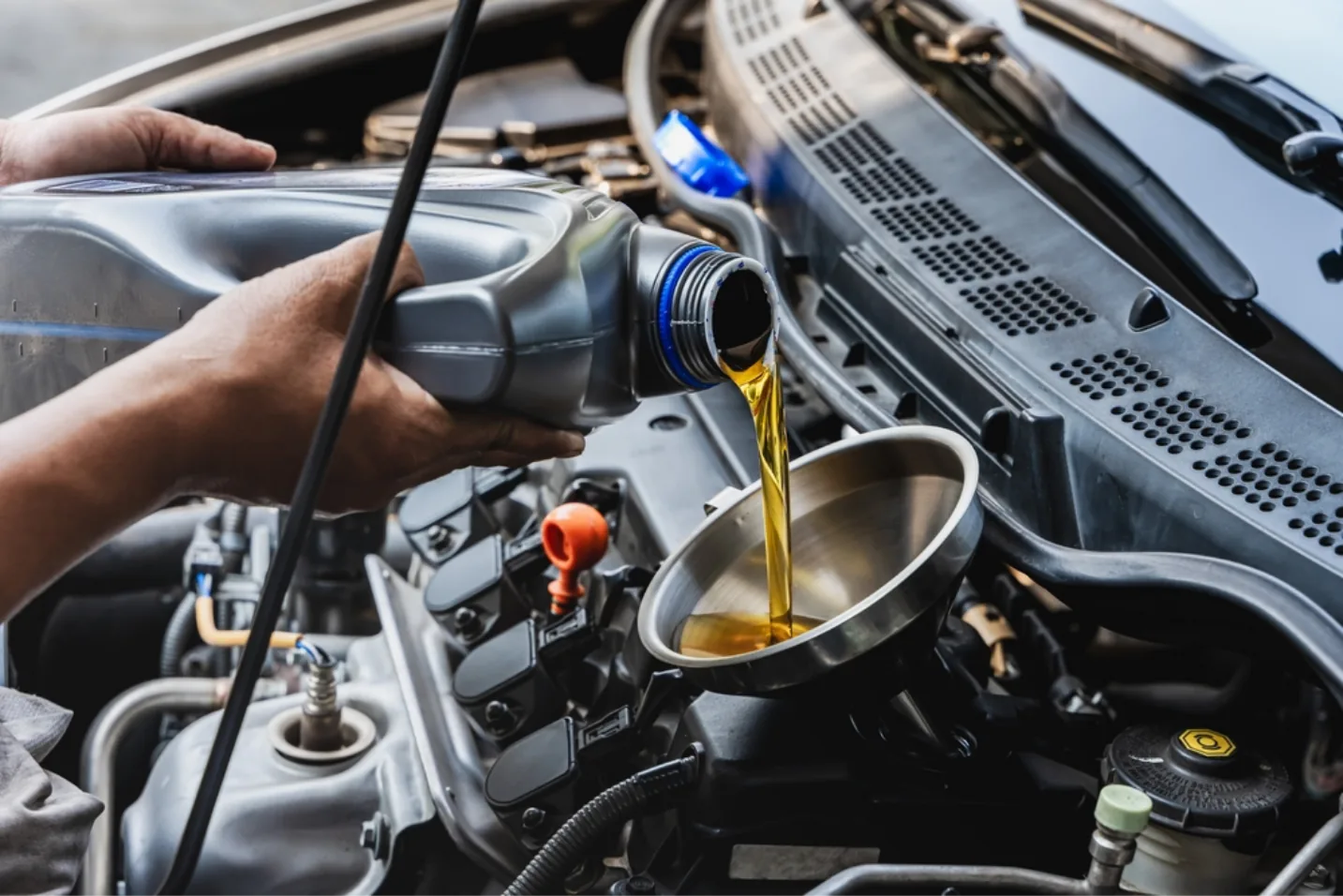
Keeping your car’s engine oil clean and topped up is one of the most important things you can do to protect your engine. Engine oil lubricates moving parts, reduces friction, helps manage heat, and carries away contaminants. Without it, an engine would quickly overheat, seize, and fail, usually leaving you stranded with a very expensive repair bill.
Even if your oil level stays full, engine oil does not last forever. Over time it breaks down, loses its protective qualities, and becomes contaminated with dirt, soot, and metal particles. This is why regular oil changes are essential, especially in Brisbane where heat and traffic place extra strain on engines.
So how often should you change your oil, and how do you know when it is time? Let’s break it down properly.
Why engine oil needs to be changed
Engine oil works in extreme conditions. Inside your engine it is exposed to high temperatures, pressure, and constant movement. As it circulates, oil collects dirt, carbon, fuel residue, and microscopic metal particles from normal engine wear.
As oil ages, it becomes thicker, darker, and less effective at lubricating and cooling. Eventually it can form sludge, restrict oil flow, and allow metal parts to rub together. This leads to overheating, increased wear, reduced performance, and in severe cases, complete engine failure.
Regular oil changes remove contaminated oil and replace it with clean oil that can properly protect your engine.
When should you change your engine oil
There is no single answer that suits every car. Oil change intervals depend on several factors including oil type, engine design, fuel type, transmission, and driving conditions.
As a general guide, most cars require an oil change every 10,000 to 15,000 kilometres or every 6 to 12 months, whichever comes first. However, this is only a guideline.
If you regularly drive in stop start traffic, do short trips where the engine does not fully warm up, tow loads, or drive in hot conditions, your oil will degrade faster and may need to be changed sooner. These conditions are very common for Brisbane drivers.
Always check your owner’s manual for manufacturer recommendations, then consider how your car is actually driven day to day.
Why Brisbane conditions affect oil life
Brisbane driving conditions are tougher on engine oil than many people realise.
High ambient temperatures thin oil and accelerate breakdown. Stop start traffic causes engines to run hotter for longer periods. Short trips around the city allow moisture and fuel to contaminate oil without being burned off properly. Long summers mean oil spends more time operating under stress.
Because of this, cars driven mainly around Brisbane often benefit from shorter oil change intervals than the maximum suggested by manufacturers.
Diesel engine oil change frequency
Diesel engines place extra demands on engine oil. Diesel oil contains additional additives to manage soot, protect the diesel particulate filter, and prevent deposits in the exhaust system.
As a general rule, diesel engine oil should be changed around every 10,000 kilometres. If your diesel vehicle is driven mostly in city traffic or used for towing, oil may need to be changed more frequently.
One simple indicator is oil appearance. Diesel oil darkens faster than petrol oil, but if it looks thick, gritty, or heavily contaminated, it is usually time for a change.
How often should synthetic oil be changed
Synthetic oil is more refined and stable than conventional mineral oil. It offers better protection, performs well at high temperatures, and generally lasts longer.
Most vehicles using synthetic oil require an oil change every 10,000 to 15,000 kilometres or every 12 months. However, oil quality varies between brands, and cheaper oils may not last as long as premium products.
Even with synthetic oil, Brisbane heat and traffic can shorten oil life, so relying purely on maximum intervals is not always ideal.
How often should gearbox oil be changed
Gearbox oil is often overlooked, but it plays a critical role in keeping transmissions operating smoothly.
In general, gearbox oil should be changed every 48,000 to 80,000 kilometres, depending on the vehicle and transmission type. Manual gearboxes, automatic transmissions, and dual clutch systems all have different requirements.
Heavy loads, towing, city driving, and heat all increase wear on gearbox oil. Checking your owner’s manual and keeping up with servicing helps avoid costly transmission repairs.
Signs your car needs an oil change
Catching oil problems early can save you a lot of money. Watch for these common warning signs.
- Smoke coming from the exhaust.
- A strong oil smell inside the cabin.
- Oil that appears black, thick, or gritty on the dipstick.
- An oil warning light or service reminder on the dashboard.
If you notice any of these signs, an oil change should not be delayed.
What happens if you delay an oil change
Putting off oil changes may seem harmless, but the damage builds quietly over time.
Old oil loses its ability to lubricate properly, increasing friction and wear. Sludge can block oil passages. Engine temperatures rise. Fuel efficiency drops. Turbochargers, if fitted, are especially vulnerable to oil degradation.
In worst cases, delayed oil changes lead to major engine repairs or replacement, which is far more expensive than routine maintenance.
Can you change engine oil too often
Changing oil slightly more often than recommended will not harm your engine. It can actually be beneficial in harsh driving conditions.
However, changing oil far too frequently offers diminishing returns and unnecessary cost. The key is finding a sensible interval that suits your vehicle and how it is driven in Brisbane.
How oil changes fit into a proper service
An oil change is more than just draining oil and refilling it. A proper service includes replacing the oil filter, checking for leaks, inspecting fluid levels, and assessing engine condition.
Oil changes are a core part of logbook servicing and play a major role in maintaining warranty coverage and long term reliability.
Final advice for Brisbane drivers
Regular oil changes are one of the simplest and most effective ways to protect your engine. Brisbane heat, traffic, and driving conditions mean oil works harder here than in cooler climates.
If you are unsure about the right oil change interval for your car, or want peace of mind that it is being serviced properly, Bosch Service Brisbane can help. Staying on top of oil maintenance now can save you thousands later and keep your car running smoothly year round.